


Less is MORE.

If you’re a woman over 30 and you feel like you’re working harder than ever with less to show for it… this is for you.
For years we were told the formula was simple: move more, eat less. So we added extra cardio, doubled up workouts, skipped rest days, and cut calories lower. And yet—belly fat sticks around, muscle tone disappears, energy tanks, and progress stalls.
Here’s the truth: after 30 (and especially into our 40s and 50s), LESS is often MORE.
Less Duration. More Intensity. More Focus.
Women are not small men. As Dr. Stacy Sims says, women need to train and fuel for their physiology—not follow protocols designed around male hormone patterns.
As estrogen and progesterone begin to shift, our bodies become more sensitive to stress. Long steady-state cardio and random high-volume workouts add more stress to an already stressed system. The result? Elevated cortisol, stalled fat loss, and stubborn midsection weight gain.
What works better?🤔
Shorter, intentional strength and HIIT sessions (Hello CORELIFT and COREFIT)
Progressive overload (track your weights/reps and don’t be afraid of going heavier)
Focused intensity (RPE goals)
Clear programming with recovery built in (Interval training where you truly need the REST)
Strength training becomes the priority. Not as an “add-on.” As the foundation.
Why? Because muscle is your metabolic engine.

Muscle improves insulin sensitivity, supports hormone health, strengthens bones, protects joints, and increases resting metabolic rate. And let’s be honest—it’s what gives you that “toned” look. Tone isn’t created by more cardio. It’s revealed by building lean muscle and reducing excess body fat strategically.
Three focused strength sessions a week will outperform six random sweat sessions every time.
Rest Days Are Not Lazy Days
This is the part high-achieving women struggle with.
Muscle is not built during the workout. It’s built during recovery. Read that again.
When you strength train with intensity, you create microscopic muscle damage. Your body repairs and rebuilds that tissue stronger—but only if you allow it to recover.
Without rest days, you’re just layering stress on top of stress.
Chronic fatigue, poor sleep, cravings, plateaued results? Often signs you need more recovery, not more burpees.
Strategic rest improves:
Hormone regulation
Performance in your next session
Muscle growth
Longevity
If the goal is to feel strong at 60, 70, and 80—not just smaller next month—rest is non-negotiable.
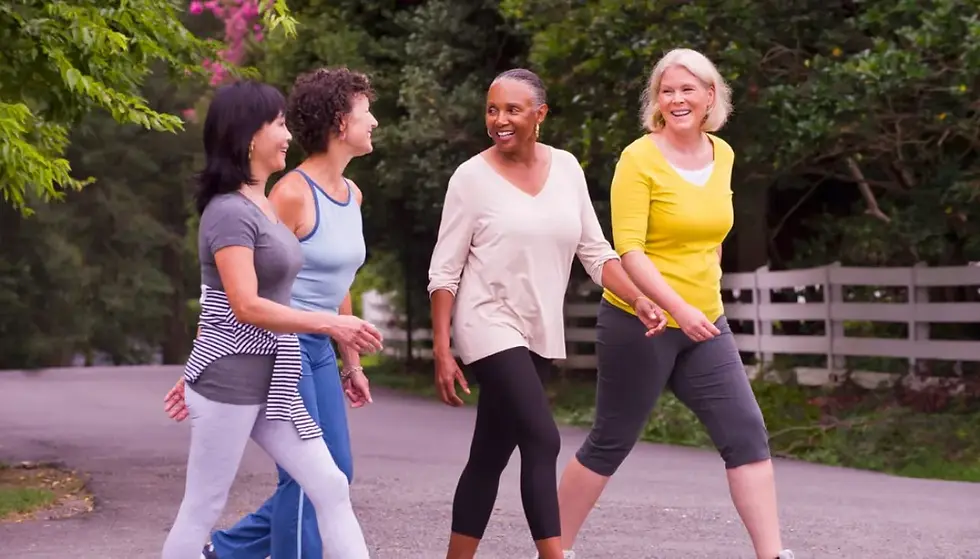
Rest doesn’t mean binging Netflix on the couch all weekend (although it can be occasionally). REST can be walking with friends, restorative yoga or stretching or simply moving in ways that don’t stress your body.
Muscle Is the Goal
After 30, we naturally lose muscle mass each decade if we don’t actively work to preserve it. That loss impacts metabolism, balance, bone density, and long-term health.
More muscle means:
Higher daily calorie burn at rest
Better blood sugar control
Lower risk of osteoporosis
More independence as you age
Cardio has its place—for heart health and conditioning—but it should support your strength work, not replace it. Bonus: With all that FOCUSED training - you’re protecting those strong bones of yours.
You’ve seen women that are simply shrinking… smaller doesn’t necessarily mean better. In fact, frailty is the reality when we shrink and lose that muscle and bone strength as we age.
Nutrition: When More Is Actually Less
Here’s the other big shift I see with women: underfueling.
Many women over 30 are eating less than they did in their 20s, yet training harder. That combination signals stress to the body. The metabolism adapts downward. Fat loss stalls. Energy crashes.
Sometimes the breakthrough isn’t cutting more—it’s fueling better.
More protein. More quality carbohydrates around workouts. More micronutrients. More consistency.
When you nourish your body adequately, you support muscle growth, recovery, and hormone balance. Ironically, eating enough is often what allows the body to finally release stored body fat.

If you’ve been dieting and cardio-ing for years without the results you want, the answer probably isn’t to do more of that.
It’s to do less—but better.
Less volume. Less randomness. Less under-eating.
More strength. More intensity. More recovery. More nourishment.
That’s how we build strong, lean, capable bodies for the long haul.
And that’s what I mean when I say: find YOUR fit. You are worth training smarter—not just harder.

Comments